

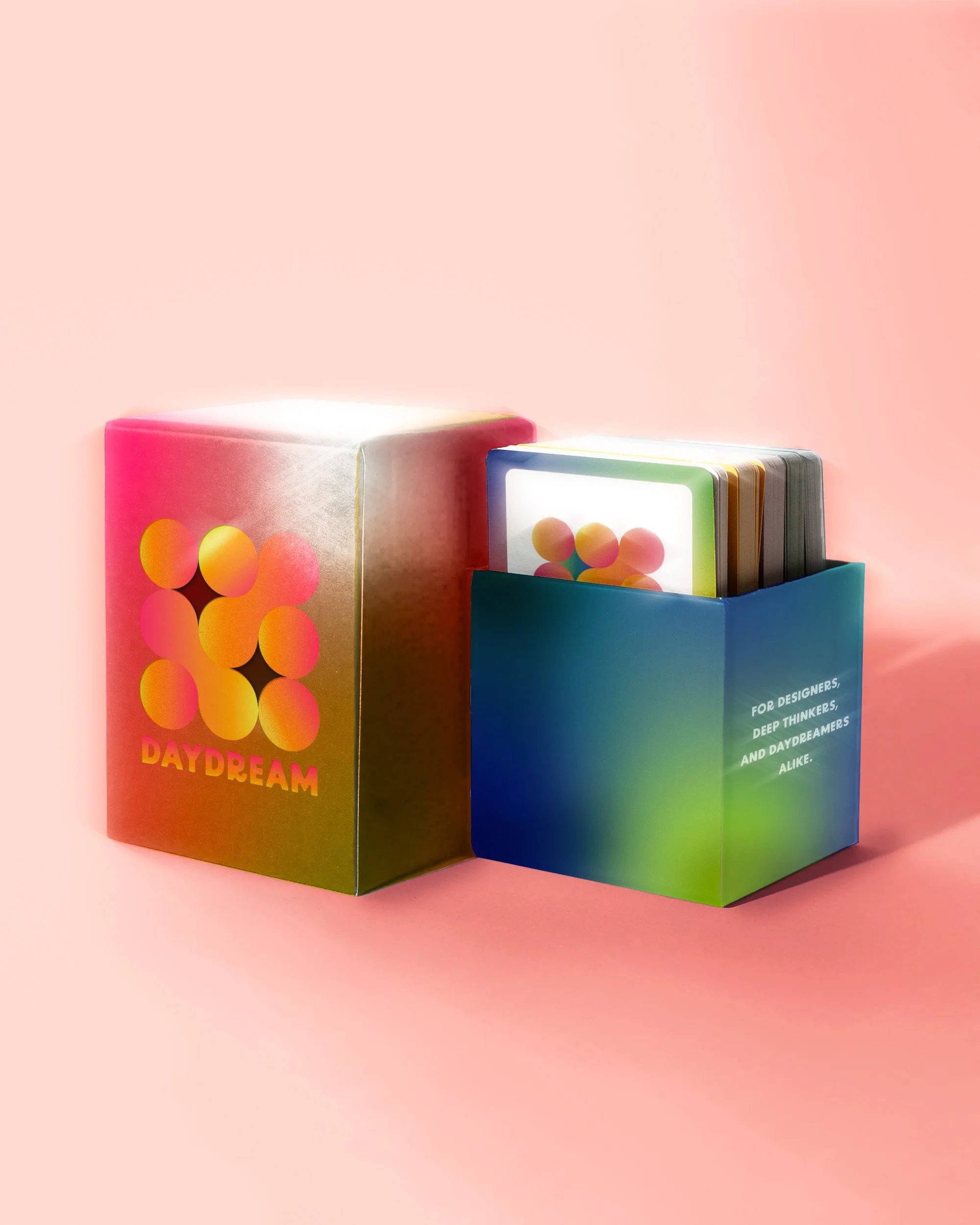
For Designers, Deep Thinkers, and Daydreamers alike.
Daydream is a conversation card game focused on cultivating a deeper understanding and discovering a hidden meaning in the everyday. This game is created for designers, deep thinkers, and daydreamers alike. It’s an opportunity to strengthen the muscle of finding connections, discovering meaning, and telling stories—both for fun or even professional practice.
This project is still in progress.
Brand Identity
Game Design
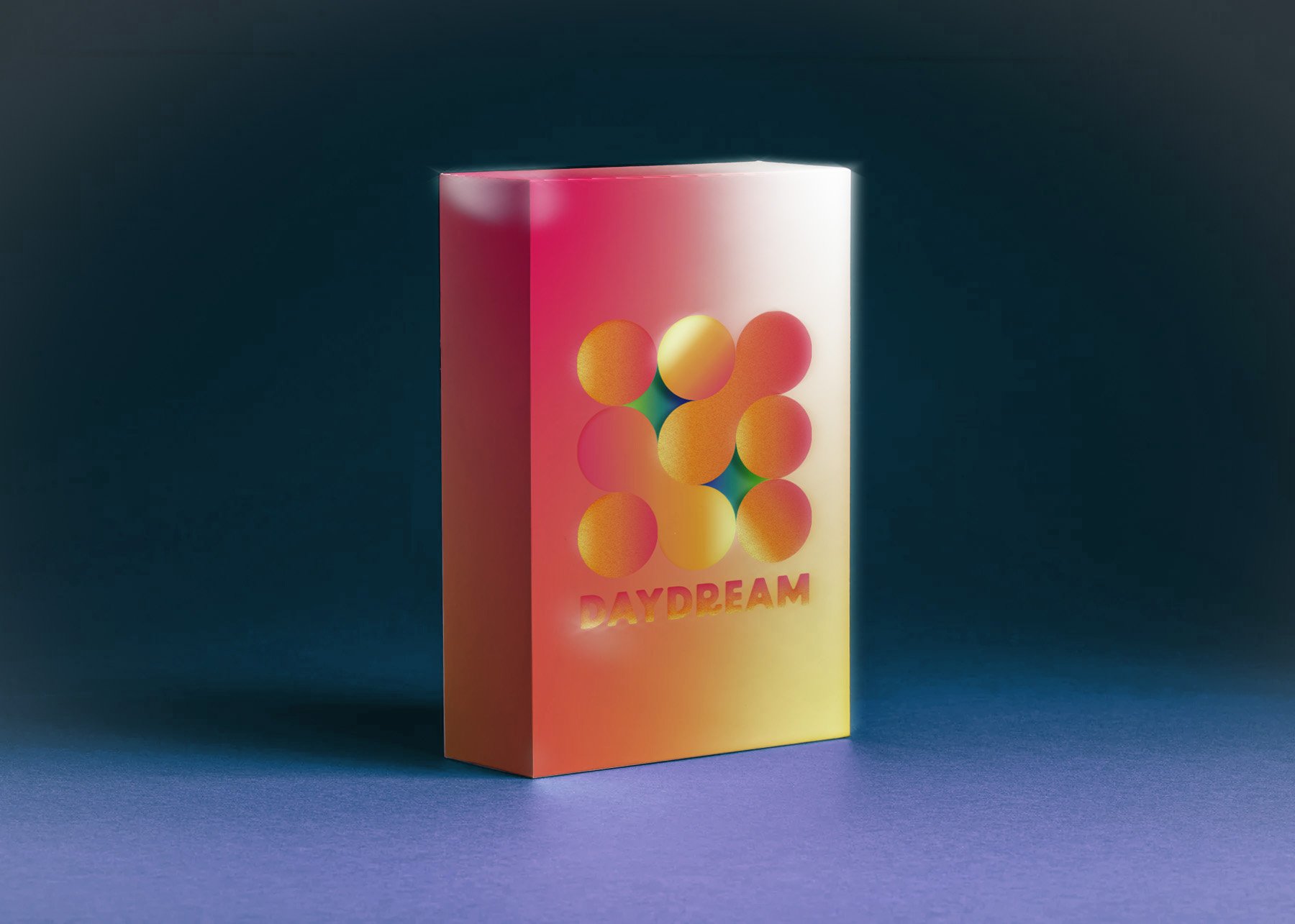
Packaging
Campaign
The goal of Daydream is to get you to Dream Big: to see things differently and believe in the potential of everyday occurrences, and to convince others to do the same. Because this kind of perspective isn’t passive, but it’s truly a way of seeing and being. Prompting players to think of the world and their stories as a series of connections and a discovery of meaning. Seeing that it’s not just time to be present enough to play a card game with your friends. But more than that, it’s time to Daydream.
Brand Story
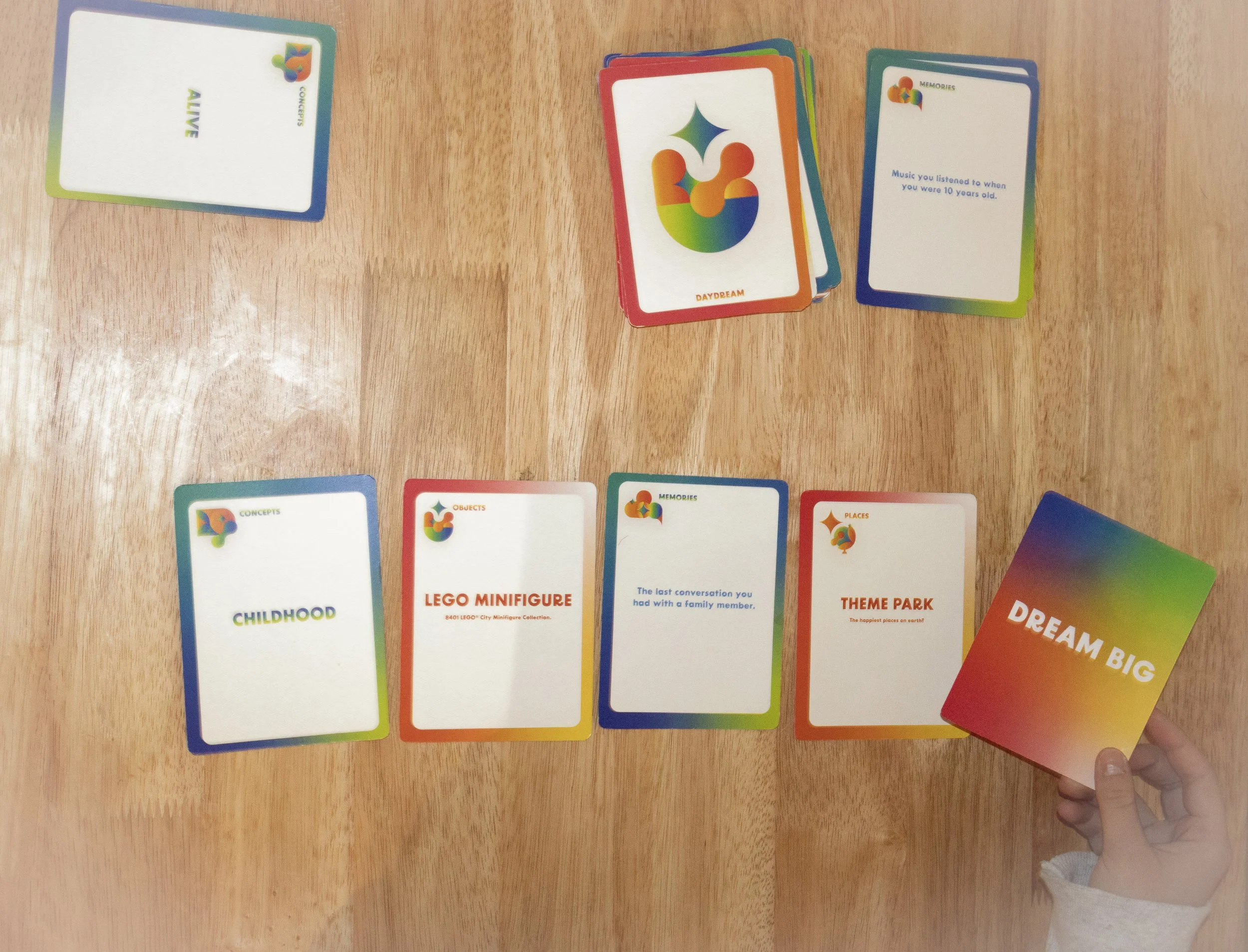
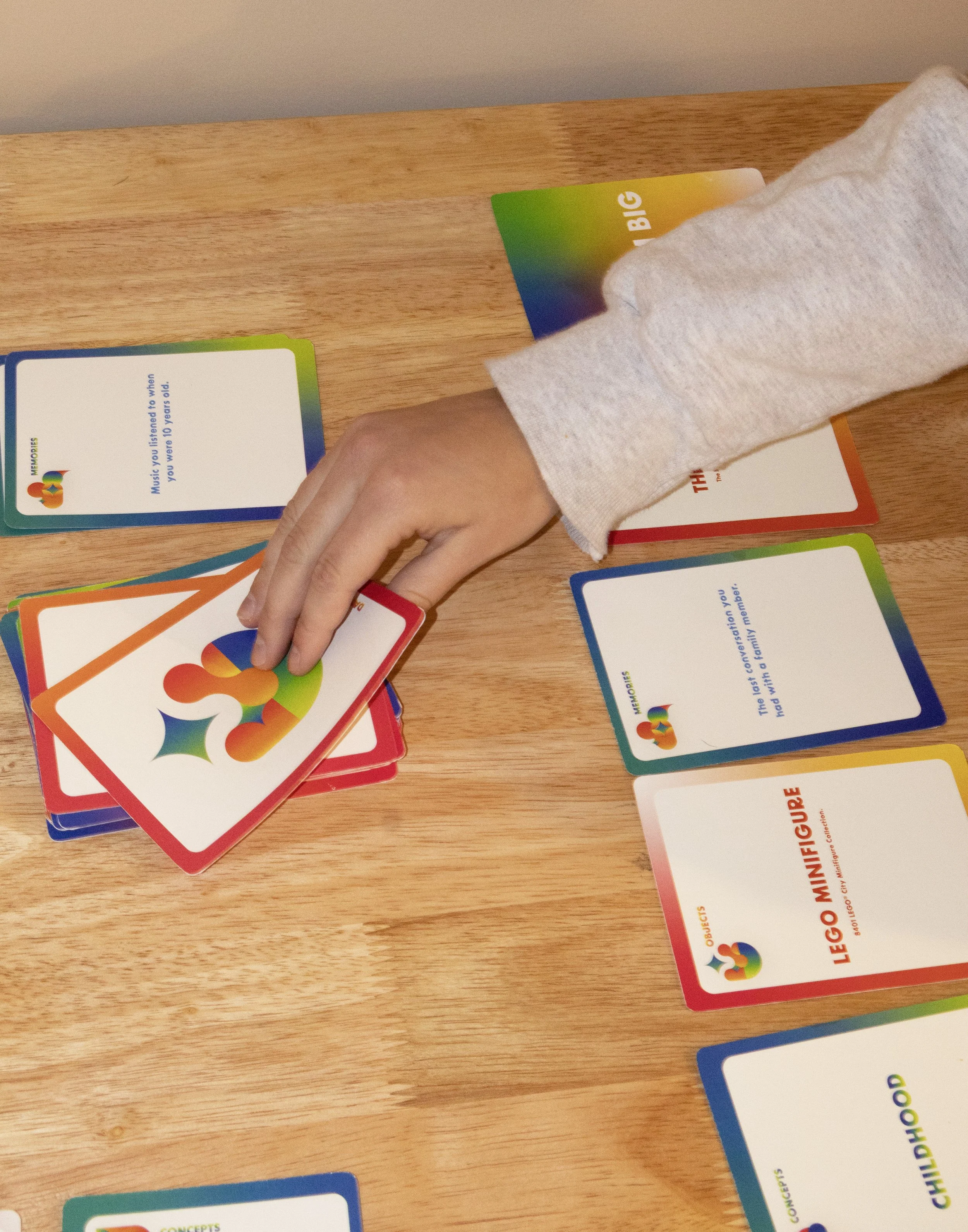
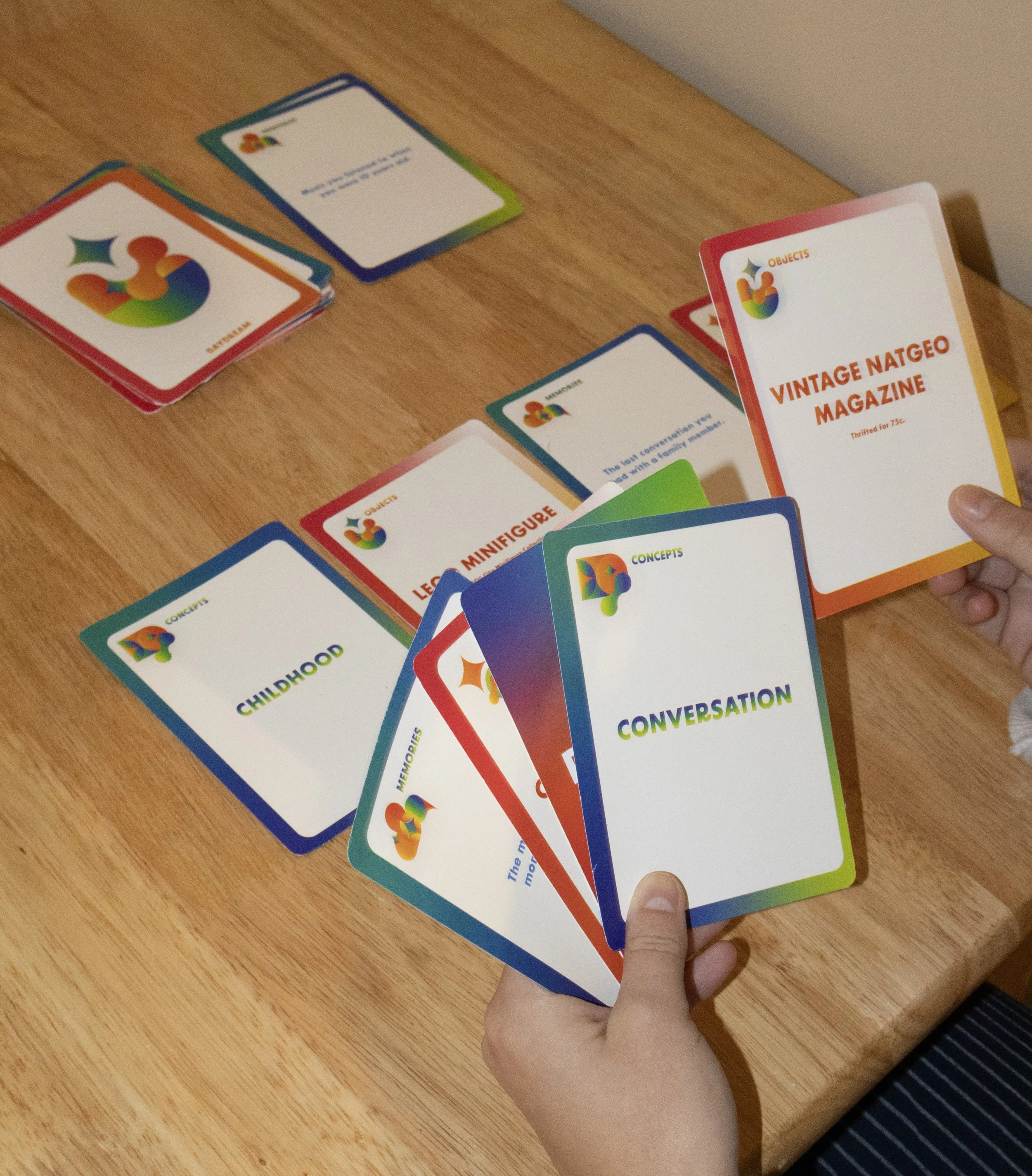
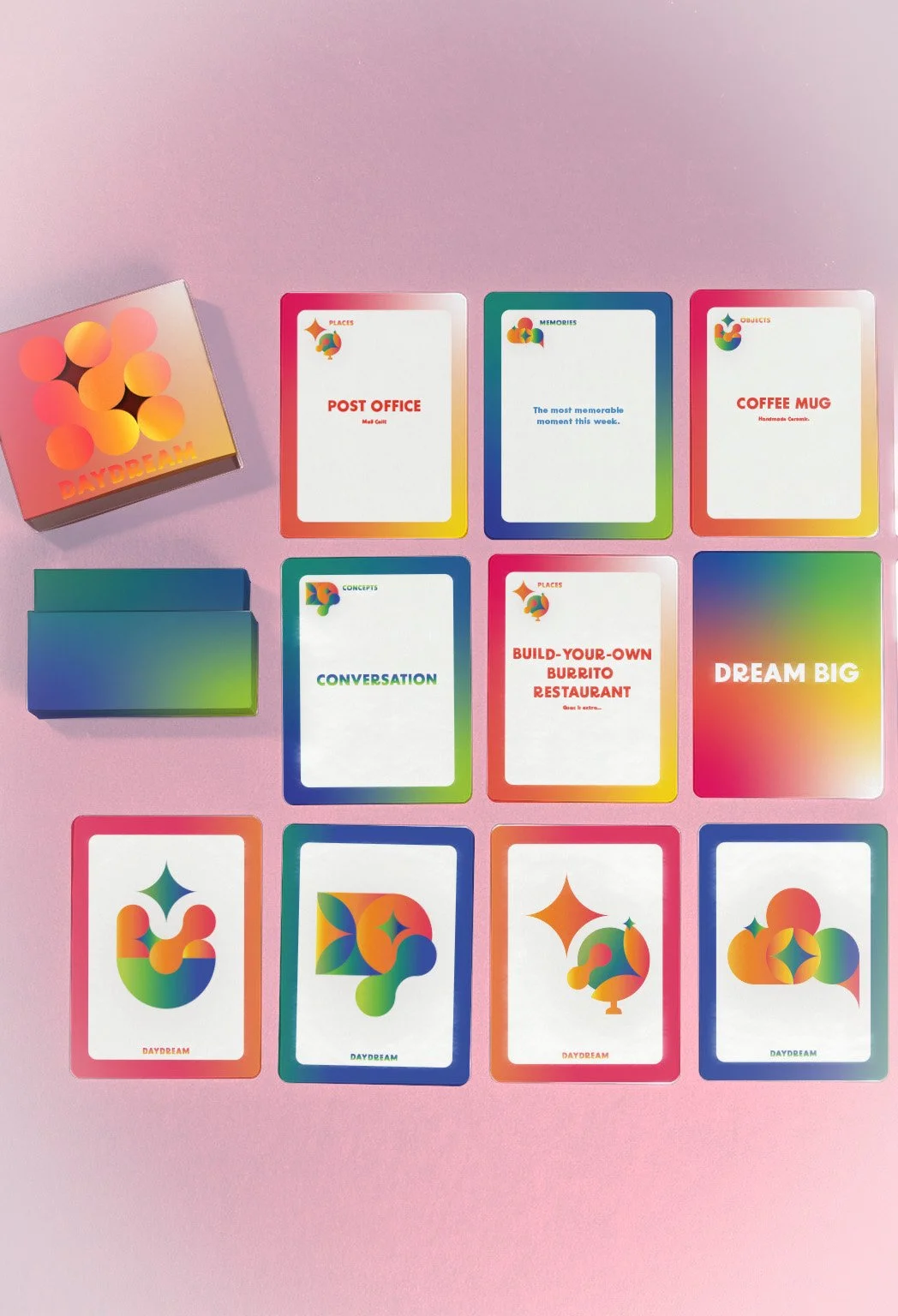
Players have the opportunity to weave compelling stories together using cards from 4 separate categories. Each worth an increasing number of points, you can play objects, places, memories, and abstract concepts, crafting something uniquely personal and creatively expansive. On your turn, you can draw one card from the deck. From there you may begin a new story or add to an existing story you’ve already started.
You must create clear, meaningful connections between your cards. Especially as you play memory and concept cards, the more points you earn and the richer your story becomes. In doing so, you have to “state your case” for how and why these connections form. Other players can ask clarifying questions, but they can’t influence your story. Hidden in the deck are a few “Dream Big” cards. When these are played, you can place anything, concrete, abstract, real, fictional, into your story.
The game ends after each card has been played and points are tallied. Ultimately, the game poses players with the opportunity to grow in their way of seeing objects, places, memories, and more.
Game Play
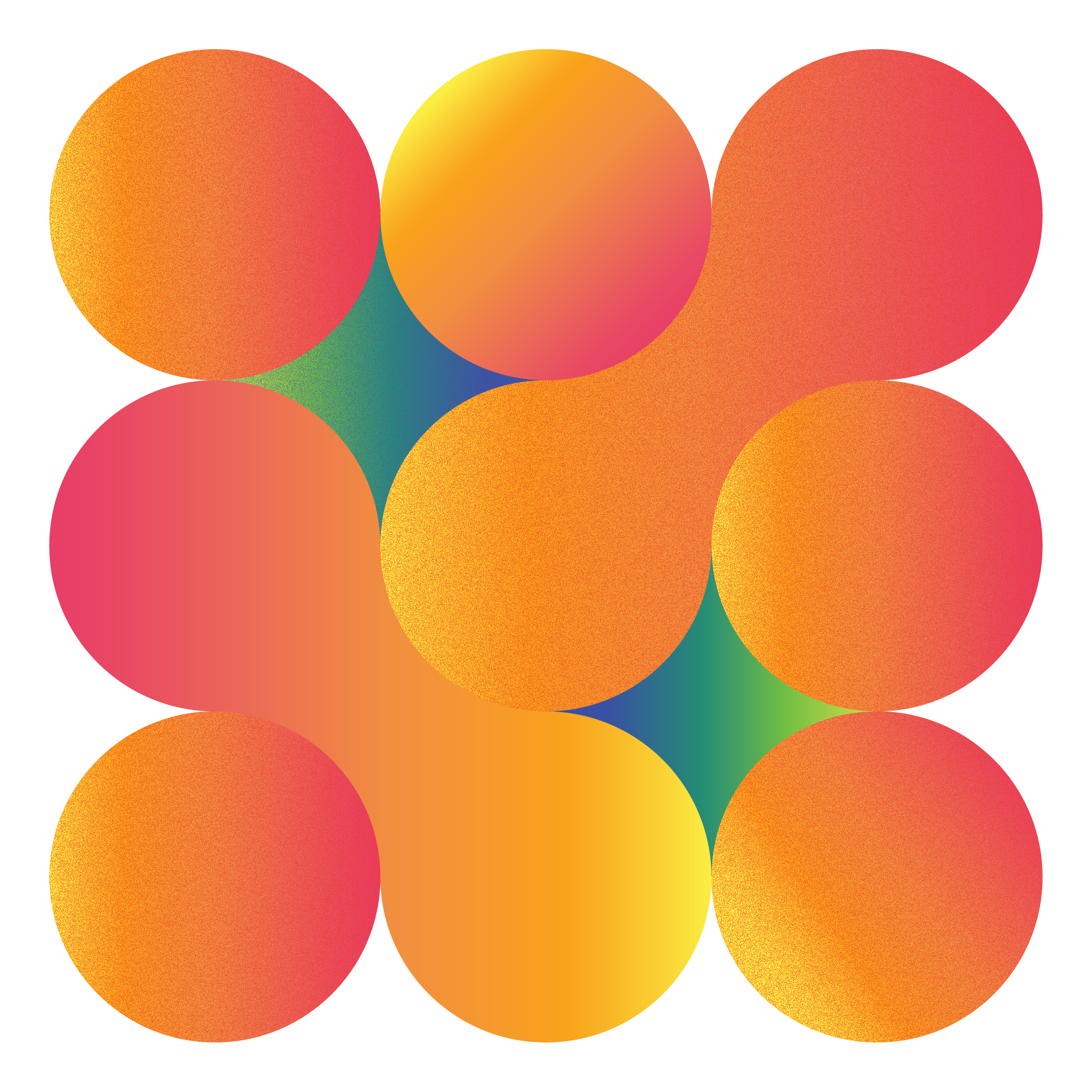
The mark stems from the abstract visualization of separate pieces of information being brought together. The longer one looks at these pieces, connections begin to form, bridging gaps that were previously impassable. And once those connections are made, we as daydreamers find sparks of inspiration, presenting us with new opportunities of learning, knowledge, and potential. The remaining brand system includes categorical icons built out of the same shapes, with abstract semiotic clues.
Logo Mark

Icon System
Places
The Places category icon resembles a globe and northstar.

Objects
The Objects category icon simply resembles a bowl of “things.”

Memories
The Memories category icon resembles a brainstorm cloud and a mind’s eye.

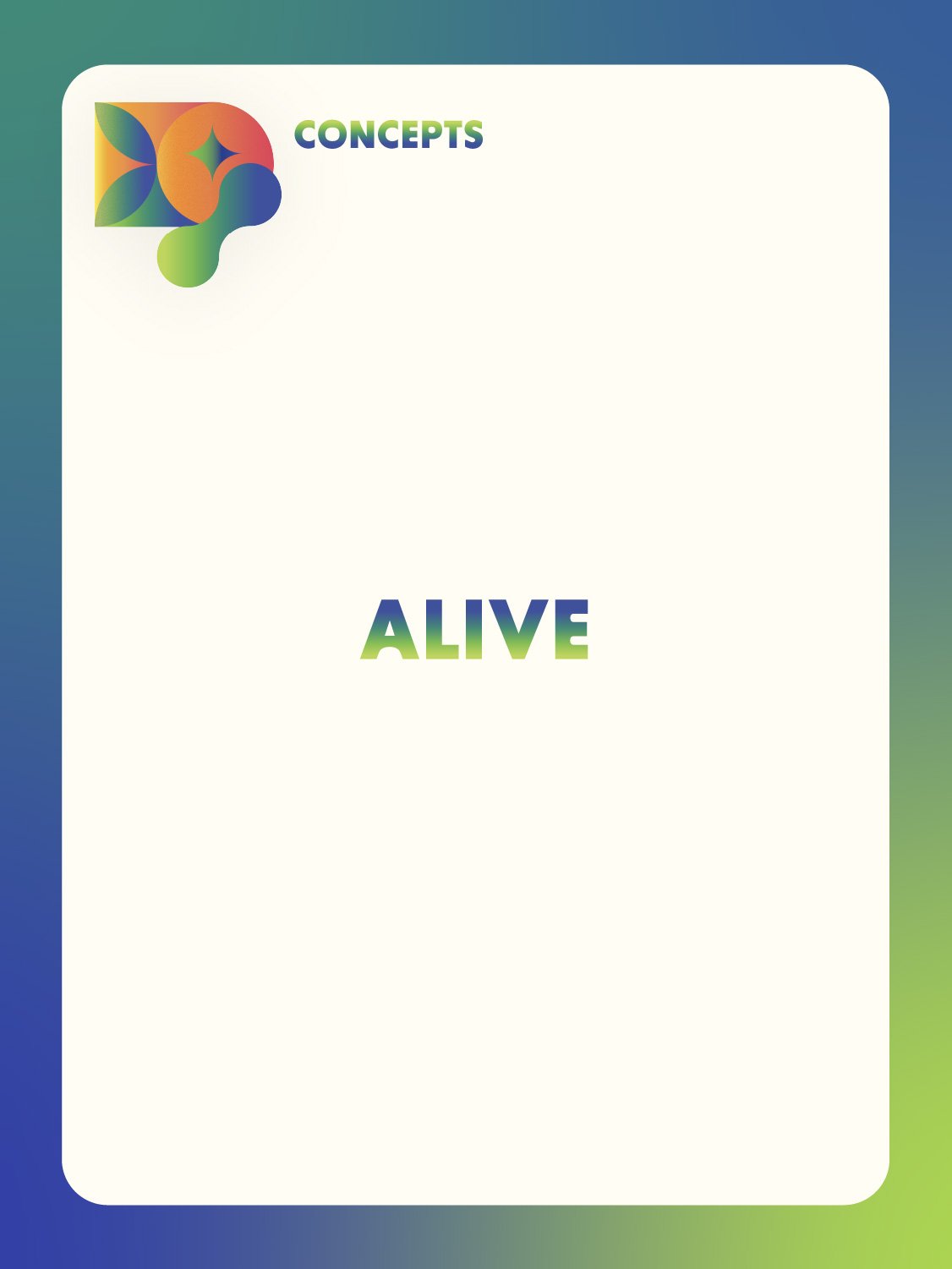
Concepts
The Abstract category icon resembles the abstract and indescribable.
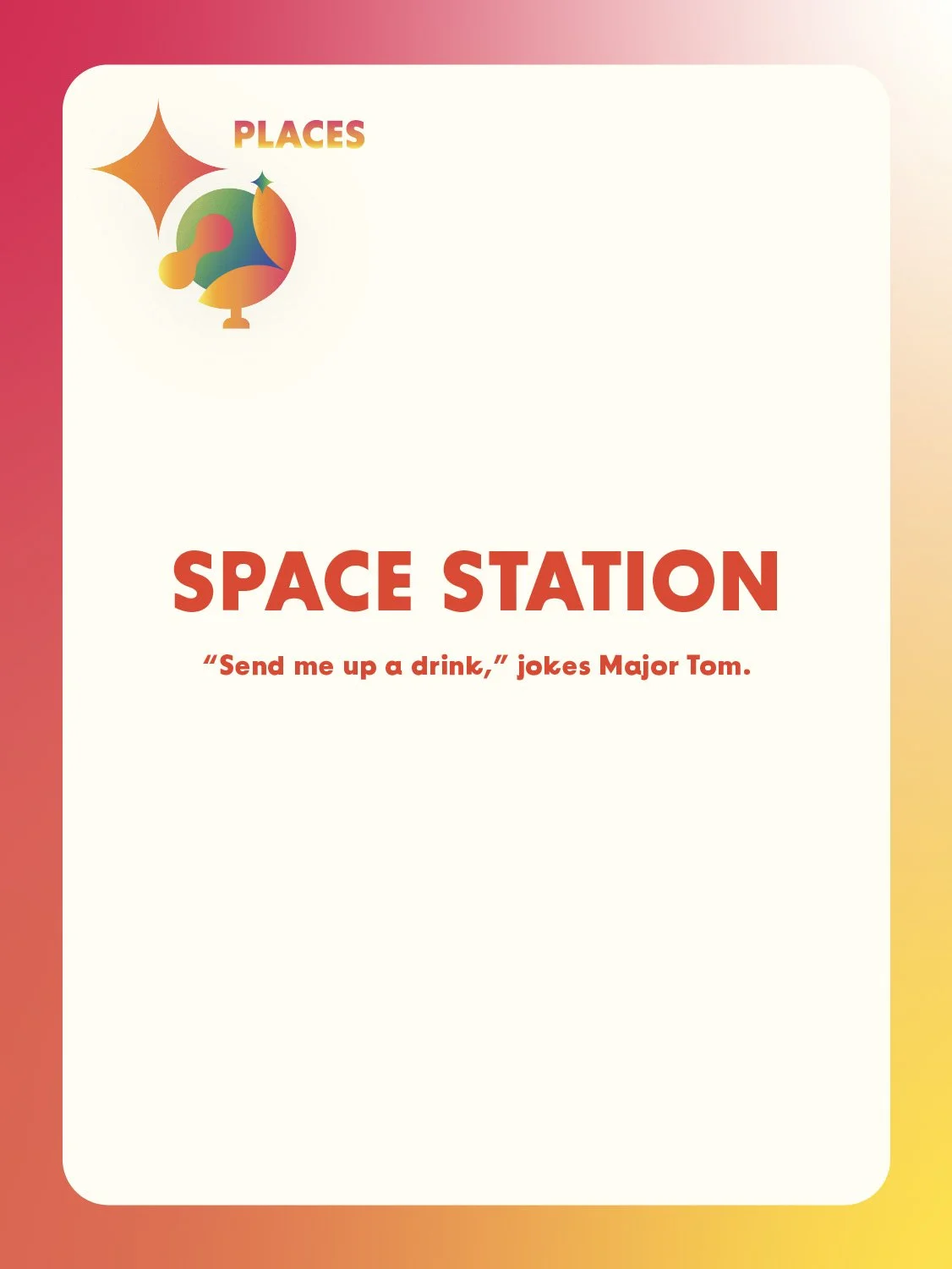
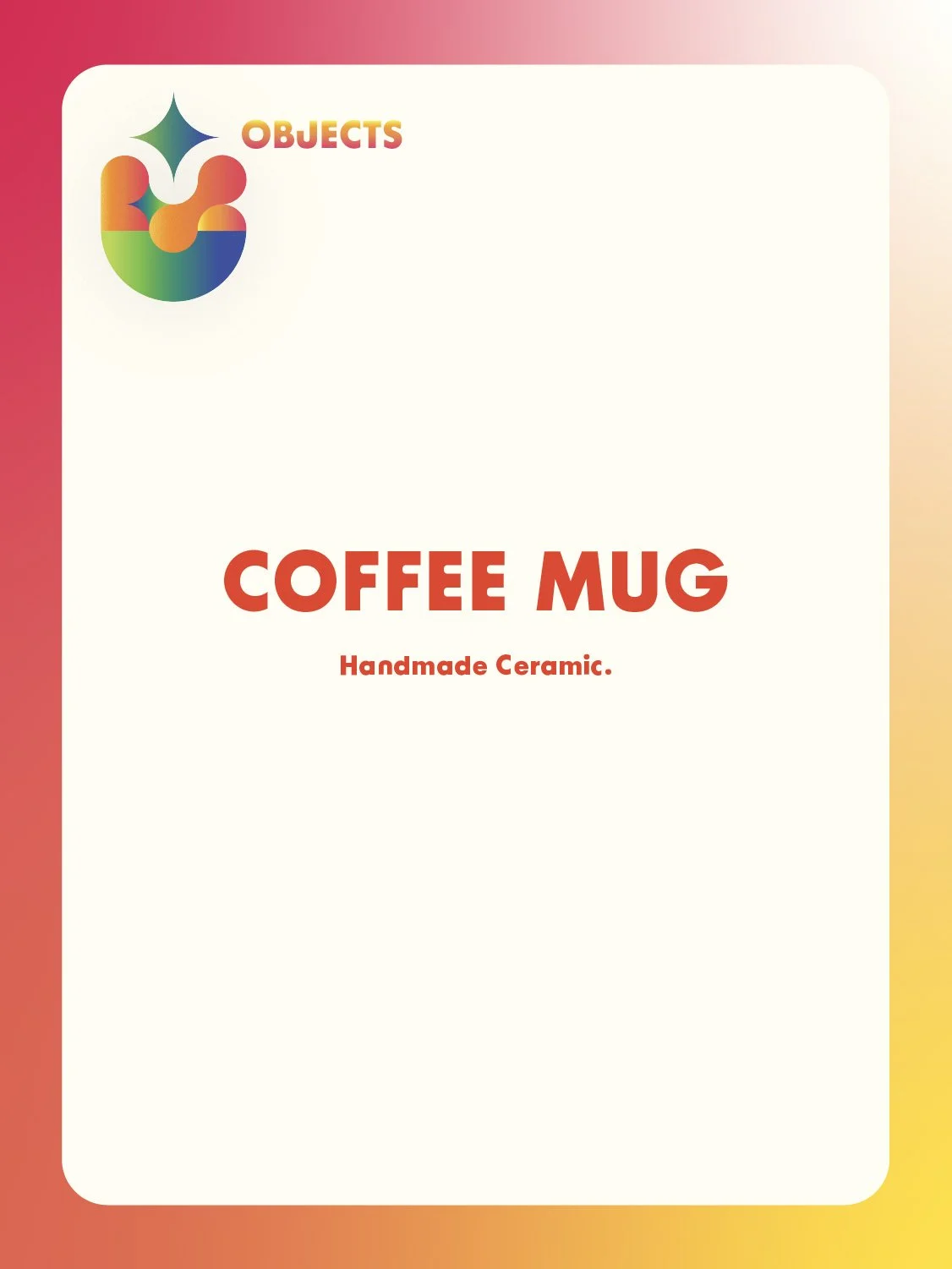
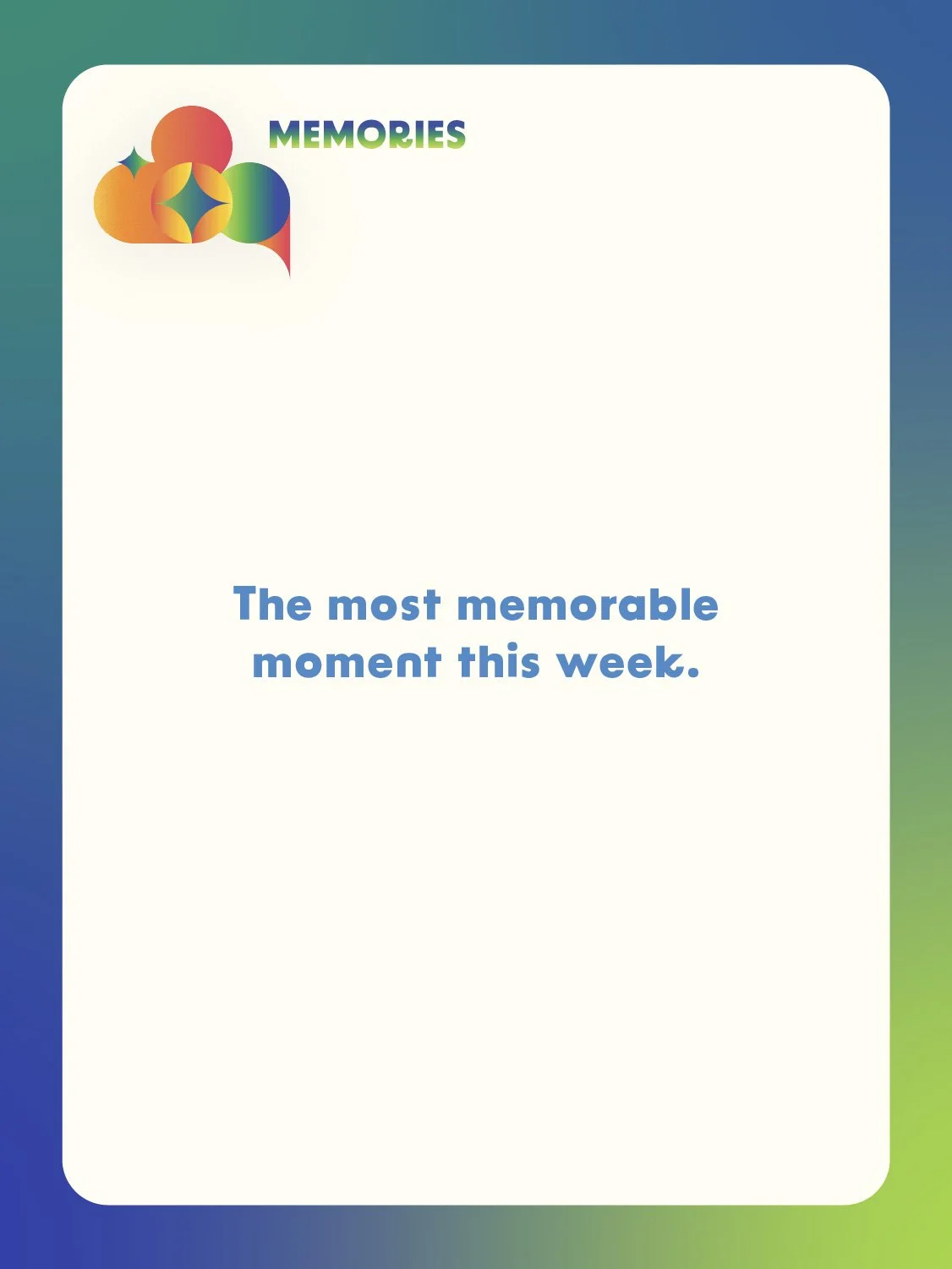
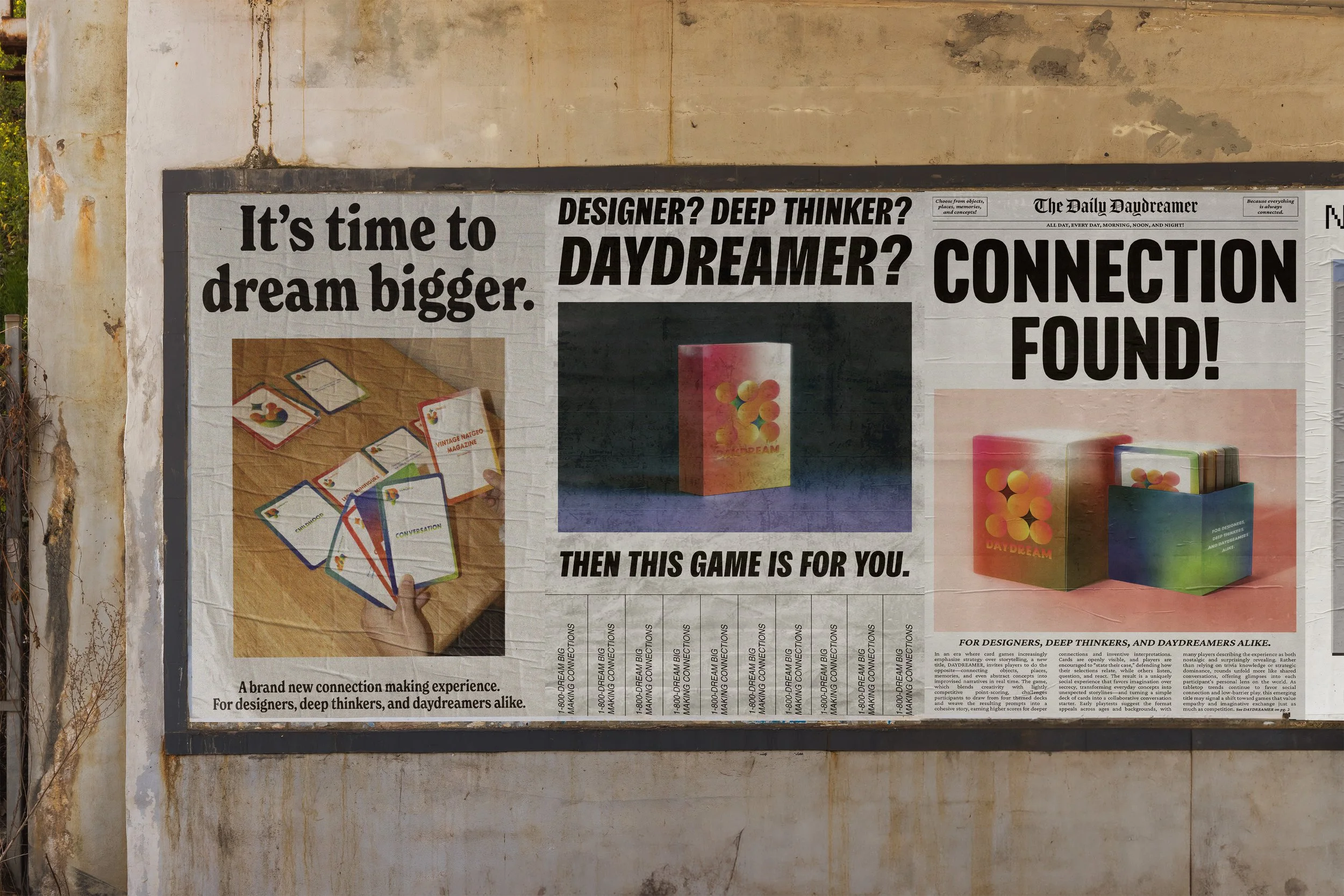
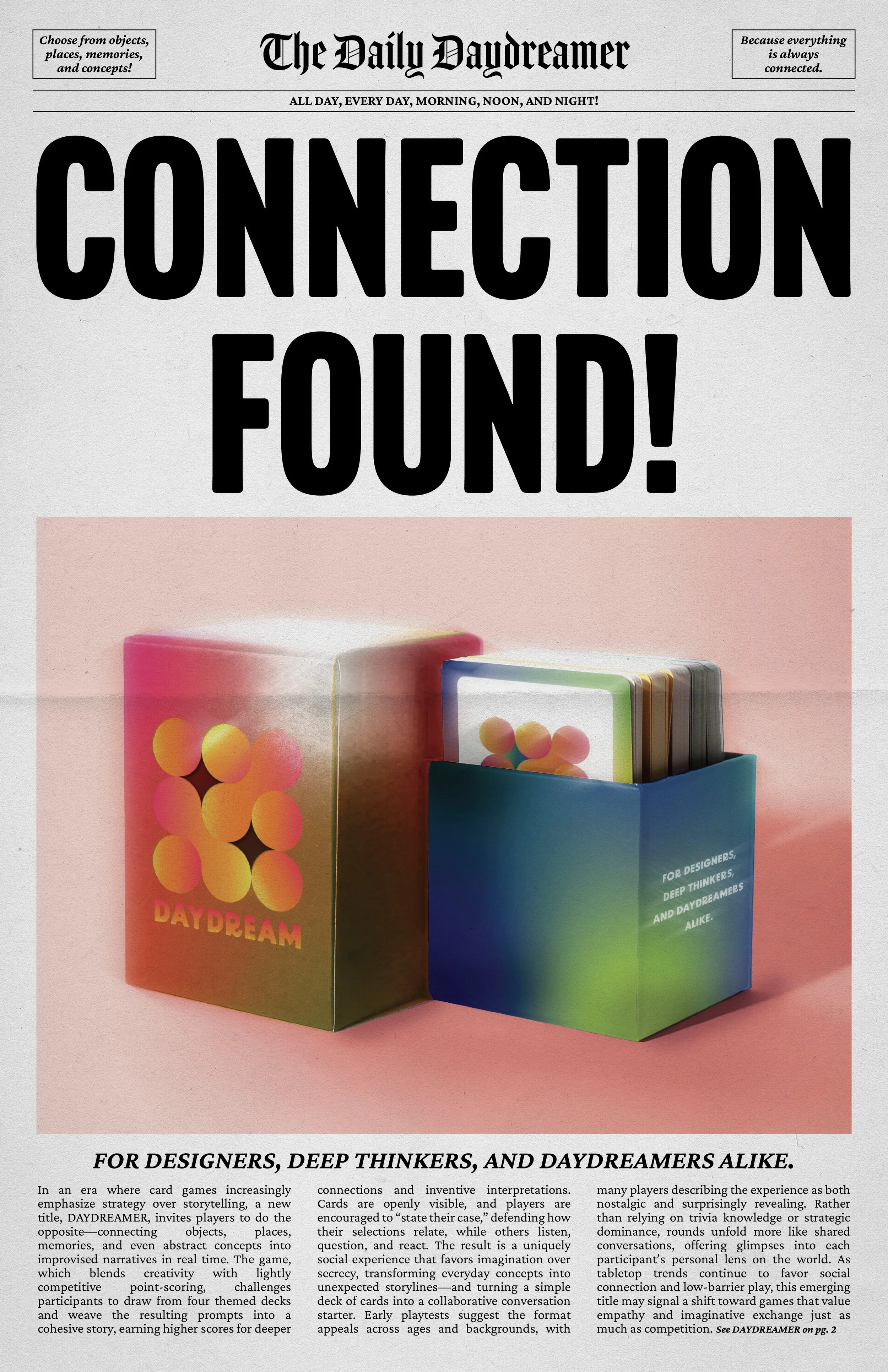
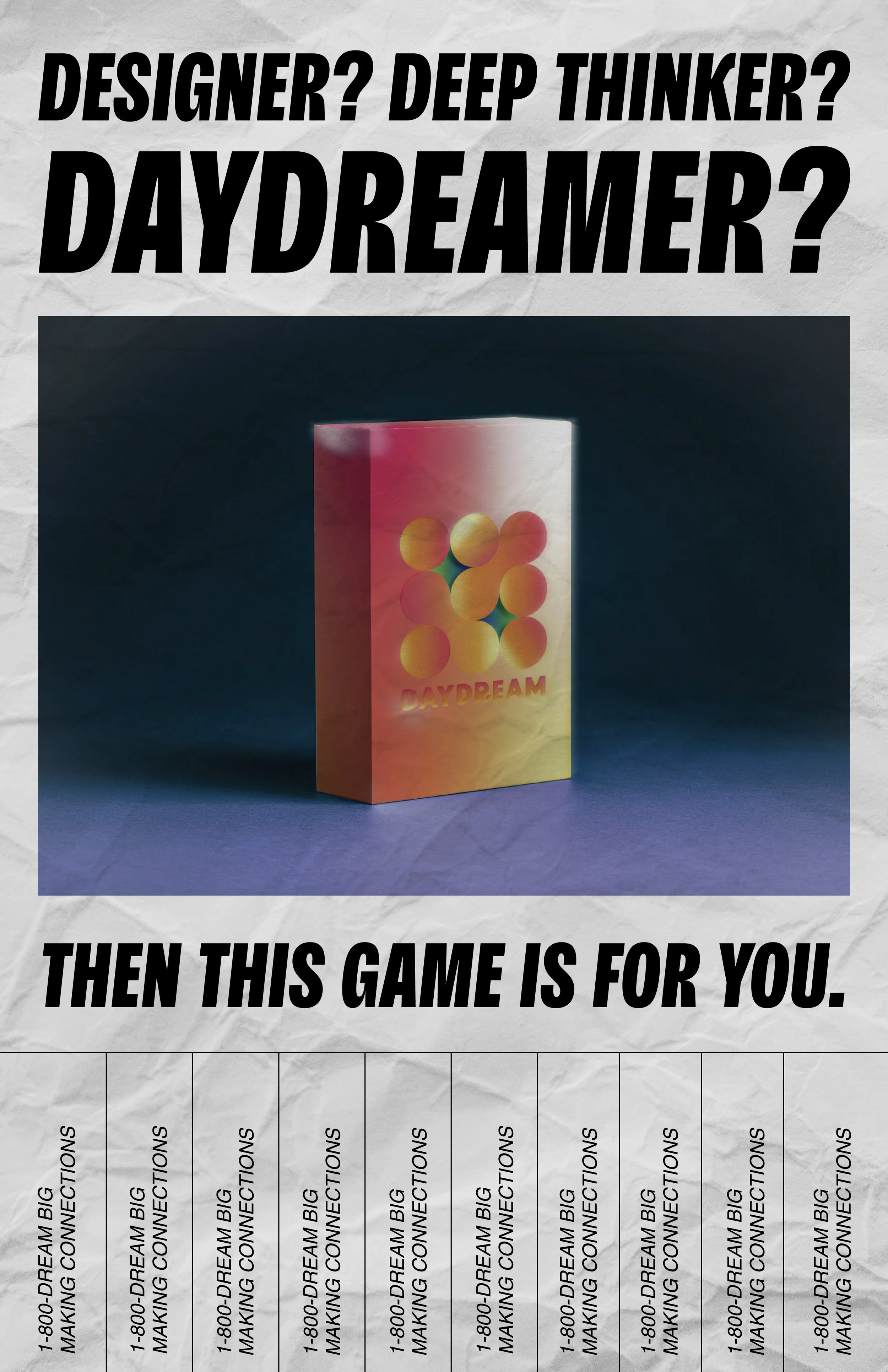
Daydream advertisement leans into a common vernacular, from street signage to newspapers, from vintage advertisements to digital interfaces. This brings a small sense of familiarity into the public’s interaction with Daydream, but a curiosity to look deeper and learn more about it, which is essentially the entire point of the game itself. While art directed documentation exists internally, Daydream can market itself to be completely unexpected and unordinary. Piquing the interest of those who truly would love to play this game, as it requires a keen eye for the unusual and an interest in seeing things past what they are on the surface.
Campaign
Credits
Typefaces: BD Supper from Buro Destruct
All imagery used for academic purposes.